
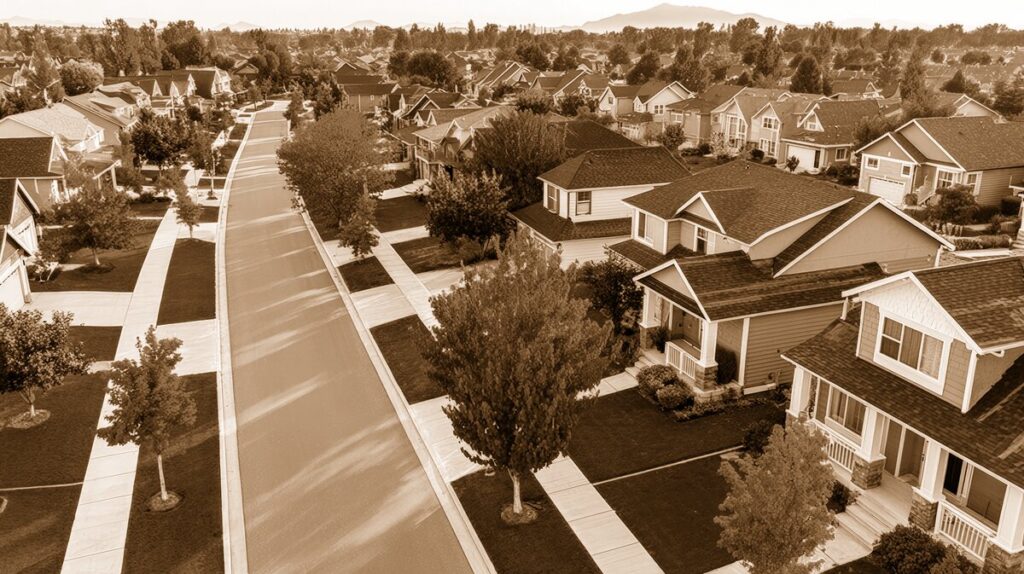
Nestled amidst the rolling landscapes and lush woodlands of Kirtland Hills, Little Mountain Farms stands as both a testament to the region’s rich past and a vibrant, evolving community. With its roots tracing back over a century, the neighborhood blends rural charm with a storied heritage, making it one of Lake County’s most cherished enclaves.
The Origins of Little Mountain Farms
Long before Little Mountain Farms became a residential haven, the area was known for its exceptional natural beauty. The neighborhood sits in the shadow of Little Mountain itself, a prominent elevation whose summit once attracted tourists and locals alike for its panoramic views and cool summer breezes. In the mid-to-late 1800s, Little Mountain was famed for its hotels and resorts, where Clevelanders would escape the city’s summer heat.
The land that would become Little Mountain Farms featured sprawling meadows, dense forests, and the meandering Little Mountain Road, which remains a central artery today. Farmers and landowners were drawn to the area’s fertile soil and proximity to transportation routes, including King Memorial Road and Hobart Road. The “Farms” in the neighborhood’s name pays tribute to this agricultural heritage.
How the Neighborhood Got Its Name
The community’s name is an homage to both its geography and its history. “Little Mountain” refers directly to the ridge that dominates the local landscape — one of the highest points in Lake County. In the late 19th and early 20th centuries, the mountain and its surroundings were a destination for recreation and retreat. When developers and families began to settle and cultivate the land for private homesteads and farms, the moniker “Little Mountain Farms” was born, reflecting a lifestyle in harmony with the natural grandeur of the area.
Key Historical Milestones
1800s: Resort Era
During the late 19th century, the Little Mountain area was renowned for its grand hotels like the Little Mountain House and the Stebbins House, which stood atop the ridge. Though outside the specific bounds of today’s residential neighborhood, these resorts shaped the aspirations for living among the hills and forests.
Early 20th Century: Working Farms to Gentlemen’s Estates
By the early 1900s, as Cleveland’s influence grew, wealthy businessmen built summer homes and family retreats on sizeable parcels along Little Mountain Road, Baldwin Road, and Hobart Road. Many of these properties started as working farms before transitioning into “gentlemen’s estates” with extensive gardens and woodlots.
Mid-20th Century: From Farmland to Neighborhood
As suburban expansion reached Lake County in the 1950s and ‘60s, portions of Little Mountain Farms were thoughtfully subdivided for residential use. Yet, unlike many cookie-cutter developments, the neighborhood preserved its rural character—lots remained generously sized, homes set well back from winding country lanes like Markell Road and the historic King Memorial Road.
1970s–Present: Preservation, Growth, and Community Spirit
Over the decades, Kirtland Hills and Little Mountain Farms have prioritized open space, conservation, and historical preservation. Deed restrictions and community covenants encourage homeowners to keep the wooded canopy, stone walls, and rural charm intact. Today, residents celebrate both old and new—a tradition reflected in garden clubs, local events, and neighborhood gatherings.
Notable Landmarks and Buildings
Little Mountain Farms is home to several notable sites that anchor its sense of place and history:
*Little Mountain*
The namesake ridge—reachable by nearby hiking trails—remains a natural landmark that draws hikers and sightseers. Its summit offers glimpses of Lake Erie on clear days.
*Historic Homes*
Many early 20th-century homes along Baldwin and Hobart Roads still stand, displaying period architecture from colonial revival to more rustic, farmhouse styles. Some properties retain original barns and outbuildings, now lovingly restored by modern owners.
*Kirtland Country Club*
Just a stone’s throw from the neighborhood’s western boundary, the prestigious Kirtland Country Club, founded in 1921, is steeped in its own history. Its lush fairways and elegant clubhouse hosted numerous local events and have been gathering points for generations.
*Nearby Parks and Nature Preserves*
While technically outside Little Mountain Farms proper, the Holden Arboretum—a botanical treasure spanning over 3,000 acres—is minutes away and provides residents with access to sprawling gardens, walking trails, and educational programs.
Evolution Through the Decades
What sets Little Mountain Farms apart is its thoughtful evolution:
- From humble roots as farmland, to a playground for Cleveland’s elite, to a beloved residential neighborhood—every chapter has added to the area’s character.
- Streets like Little Mountain Road, Markell Road, and Baldwin Road showcase a blend of the historic and the contemporary, with mature landscaping, woodlands, and tasteful newer homes.
- Community values have emphasized preserving open space and honoring the original landscape. Families new and old steward the area’s rural heritage, drawing pride from old stone fences, wildflower meadows, and generously wooded lots.
- Over time, neighborhood events—like seasonal block parties and holiday gatherings—have built a strong sense of belonging, uniting new arrivals with families whose roots go back generations.
What Makes Little Mountain Farms Special
As any longtime resident can attest, life in Little Mountain Farms runs at a gentler pace. Deer amble along wooded lots, neighbors greet each other on slow, shaded walks, and stories flow as easily as Lake County’s breezes. It’s a place where the past isn’t just preserved in landmarks and landscape, but lived daily—through enduring traditions, shared stewardship, and a true sense of community.
Whether you’re a history buff, nature lover, or simply searching for a welcoming place to call home, Little Mountain Farms offers a unique blend of old and new—a neighborhood where heritage is cherished, and the future is shaped collectively and with care.